
★★★★★
"FREE, simple, elegant, fun & motivating!"
★★★★★
"Easy to start a free office step challenge! 🏃🏃♀️"
★★★★★
"Competing with friends is so fun & addictive"
★★★★★
"Motivates me to walk more. I've lost 5 lbs!"
★★★★★
"Works with iPhone, Android & wearables! 🙌"

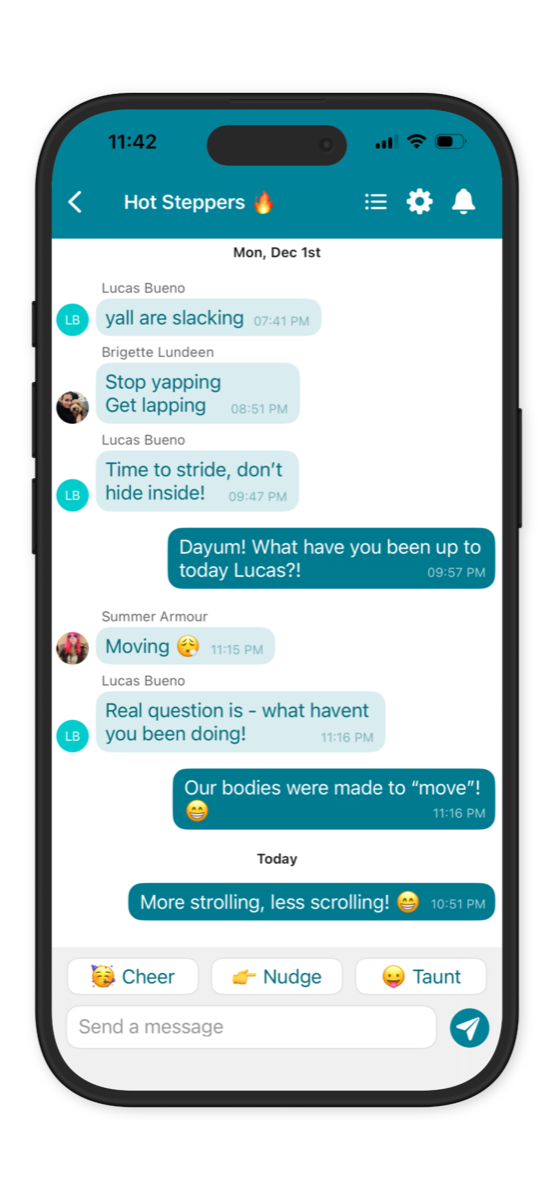
Walking is more fun & motivating with friends, family and colleagues!
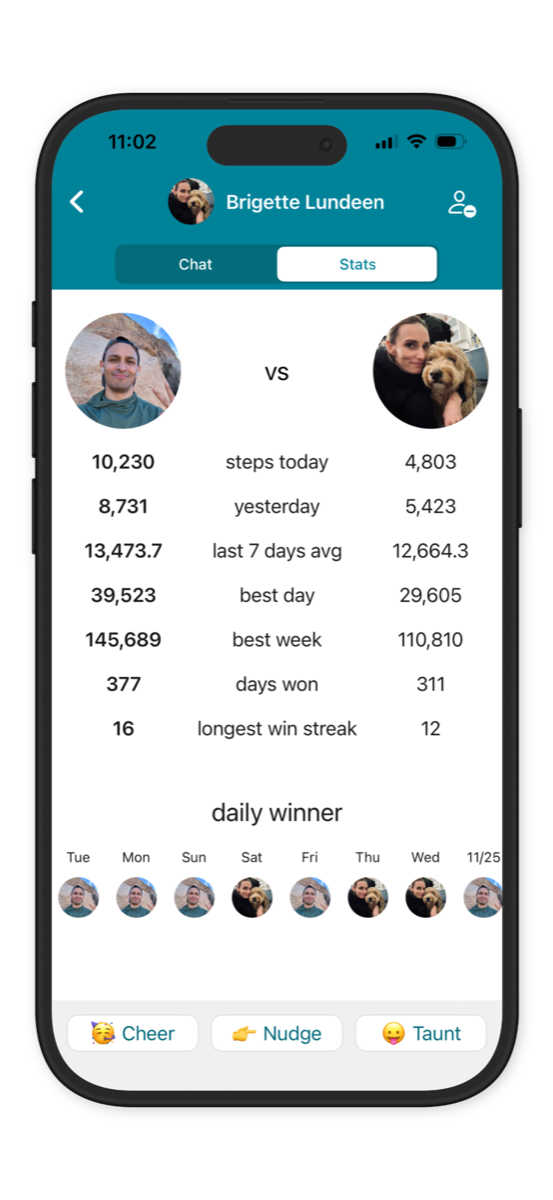
See who's in the lead & cheer (or taunt) each other.
Run free step challenges at work, home, school, gym or any community!
Used at work (Amazon, BMW, Google) and school (Yale, Stanford) for healthy team bonding.
Used at gyms, apartments, PTs, doctors, non-profits for community engagement.
Automatically track daily steps, distance & calories burnt.
StepUp works with just your phone in your pocket.
Sync wearables like Apple Watch, Fitbit etc via Apple Health & Android Health Connect.
Keep pace with gamified virtual friends Active Bot & Chill Bot who walk ~10k & ~2k steps a day.

Set goals. Burn calories. Lose weight. Feel great!
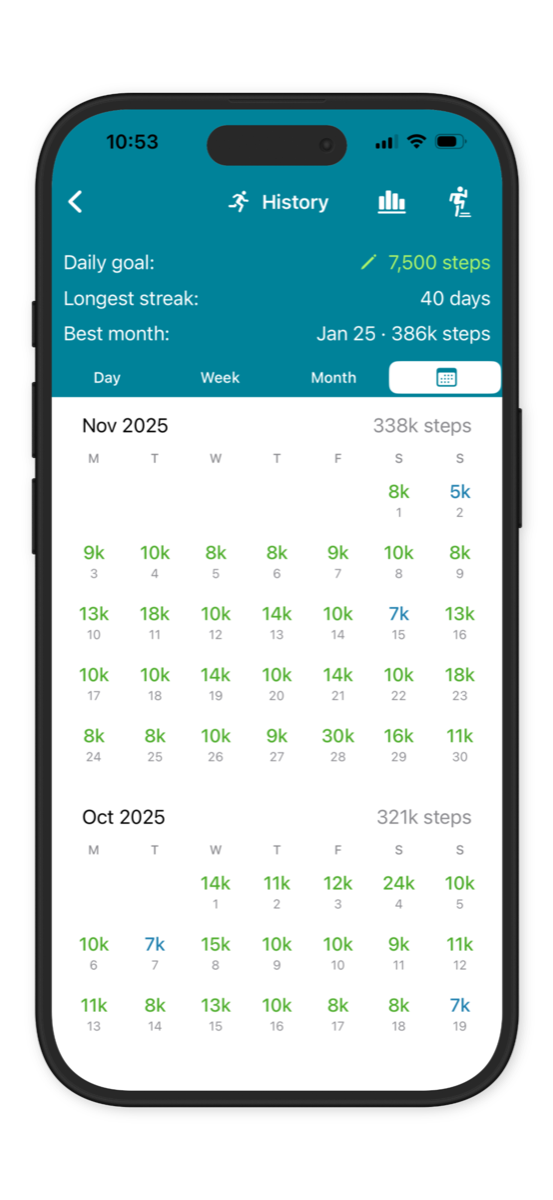
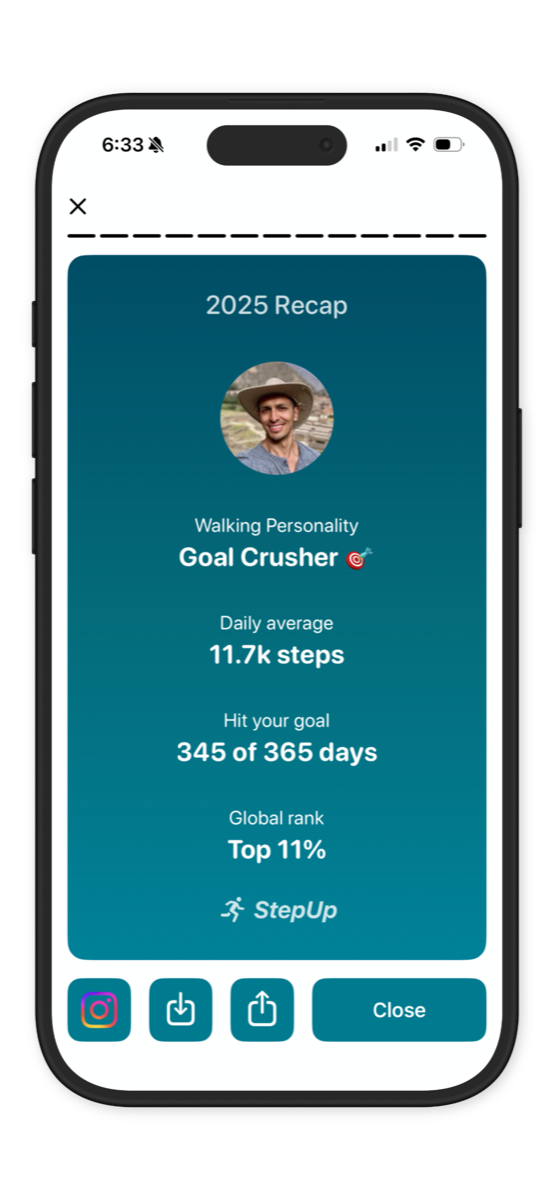
See daily & weekly achievements.
See if you're in the top 100 in the country.
Create streaks and set records.
Download StepUp today. It's FREE!


The Strauss catalog is renowned for categorizing gear by specific "worlds" of work, ensuring that every trade finds its perfect match.
dataset = ProductDataset(X) data_loader = DataLoader(dataset, batch_size=batch_size, shuffle=True) katalog strauss
deep_features = np.concatenate(deep_features) The Strauss catalog is renowned for categorizing gear
# Assuming you have your data in a numpy array `X` (product features) class ProductDataset(Dataset): def __init__(self, data): self.data = data : Strauss transitioned to a mail-order business model
The company was founded in 1948 by Engelbert Strauss, originally focusing on brooms and brushes. Realizing that workers needed more than just cleaning tools, the family expanded into protective gloves and, eventually, a full range of textiles. : Strauss transitioned to a mail-order business model.
5/5 stars
# Training for epoch in range(100): for batch in data_loader: optimizer.zero_grad() _, reconstructed = model(batch) loss = criterion(reconstructed, batch) loss.backward() optimizer.step() print(f'Epoch epoch+1, Loss: loss.item()')