Pound Key Debit Card -
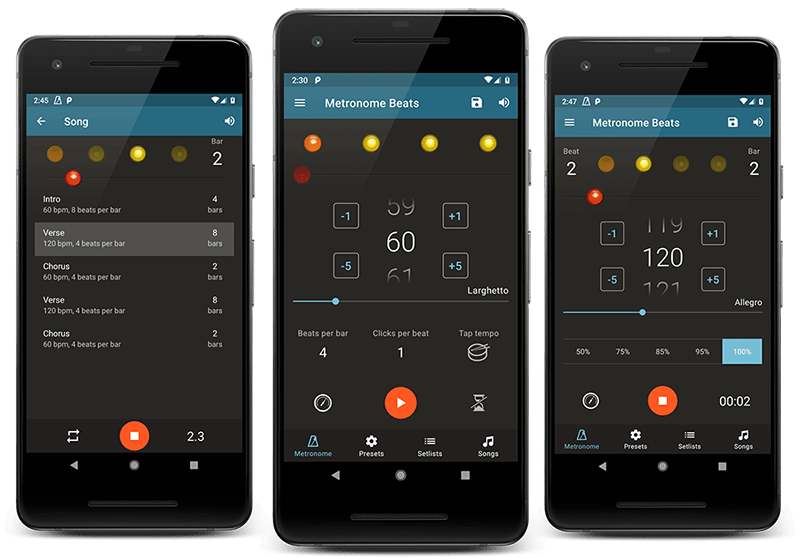
An interactive metronome and speed trainer app with over 10 million downloads



So when an automated system says, "Enter your PIN, then press the pound key," it means: Type your secret code, then press # to submit it.
In the United States and Canada, the # symbol is commonly called the or pound key , whereas in the UK and elsewhere, it is known as a hash . Understanding how these two work together is essential for everything from phone-based banking to international travel. The Role of the Pound Key in Banking pound key debit card
When a British consumer inserts their debit card into a Chip and PIN terminal, they are literally entering pounds. The interface is a fascinating crossover: a card bearing the Pound Sterling (£) currency symbol, interacting with a keypad ending in the Pound (#) function symbol. So when an automated system says, "Enter your
Are you trying to or having trouble with an automated phone system ? The Role of the Pound Key in Banking
The Pound key debit card has several key features that make it a popular payment method:
On a telephone or a debit card keypad, the (or hash key ) is the button marked # . It sits to the right of the zero.
Yet, the legacy of the pound key remains. In user interface design across banking apps, the "hash" icon persists. It denotes verification, categorization, and security. Furthermore, the concept of the "pound key debit card" remains relevant in the specific niche of prepaid cards and voucher systems. Many systems still utilize 10-to-16-digit codes that require a final hash press on a phone to "load" value onto a card. In this sense, the pound key is the bridge between the analog past and the digital wallet—a tool that turns a static string of numbers into active currency.
So when an automated system says, "Enter your PIN, then press the pound key," it means: Type your secret code, then press # to submit it.
In the United States and Canada, the # symbol is commonly called the or pound key , whereas in the UK and elsewhere, it is known as a hash . Understanding how these two work together is essential for everything from phone-based banking to international travel. The Role of the Pound Key in Banking
When a British consumer inserts their debit card into a Chip and PIN terminal, they are literally entering pounds. The interface is a fascinating crossover: a card bearing the Pound Sterling (£) currency symbol, interacting with a keypad ending in the Pound (#) function symbol.
Are you trying to or having trouble with an automated phone system ?
The Pound key debit card has several key features that make it a popular payment method:
On a telephone or a debit card keypad, the (or hash key ) is the button marked # . It sits to the right of the zero.
Yet, the legacy of the pound key remains. In user interface design across banking apps, the "hash" icon persists. It denotes verification, categorization, and security. Furthermore, the concept of the "pound key debit card" remains relevant in the specific niche of prepaid cards and voucher systems. Many systems still utilize 10-to-16-digit codes that require a final hash press on a phone to "load" value onto a card. In this sense, the pound key is the bridge between the analog past and the digital wallet—a tool that turns a static string of numbers into active currency.
Download now to get started!