File Unzipping - made easy
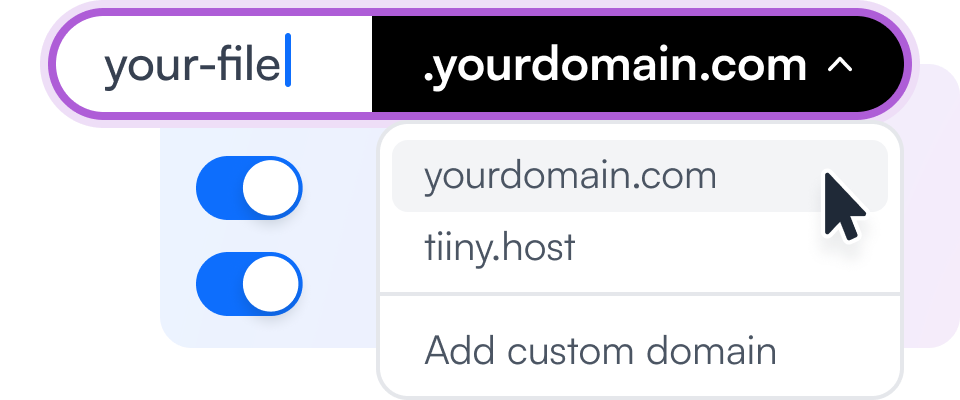
Tiiny Host is and easy solution to unzip files online. Cope with all types of zipped files and folders, even the large ones. We'll even give you a shareable link to access it from anywhere.

Tiiny Host is and easy solution to unzip files online. Cope with all types of zipped files and folders, even the large ones. We'll even give you a shareable link to access it from anywhere.
Informative Report: The Evolving Tapestry of Indian Family Lifestyle and Daily Life 1. Introduction The Indian family lifestyle is a complex interplay of ancient traditions, deep-rooted social structures, and rapid modernization. While urbanization and globalization are reshaping norms, the joint family system—where multiple generations live under one roof—remains an influential ideal. This report explores the daily rhythms, cultural anchors, and emerging shifts in Indian households, illustrated through representative life stories. 2. Core Structure: The Joint vs. Nuclear Family
Joint Family (Traditional): Grandparents, parents, uncles, aunts, and children co-reside. Decision-making is often patriarchal, with the eldest male as the head. Resources, kitchen duties, and childcare are shared. Nuclear Family (Growing Trend): Common in cities due to work mobility and housing costs. Parents and one or two children form the unit, maintaining ties with extended family via visits and technology.
Daily Life Story – The Mehta Joint Family (Ahmedabad): The 12-member Mehta family begins each day with chai served by the eldest daughter-in-law. Grandfather reads the newspaper aloud, grandchildren prepare for school, and the shared courtyard is a hub of activity. Meals are eaten together, and conflicts are resolved in family councils. The system reduces financial stress but requires constant negotiation of personal space.
3. Daily Routines: From Sunrise to Sunset Morning (5:30 AM – 8:00 AM)
Rituals: Many homes begin with prayer ( puja ), lighting a lamp, and chanting. In South Indian families, women draw kolam (rice flour designs) at the doorstep. Tasks: Preparing lunchboxes (often vegetarian tiffin ), boiling milk, and fetching newspapers. Men may practice yoga or go for a walk.
Midday (8:00 AM – 3:00 PM)
Work/School: Men leave for offices or businesses; women (working or homemakers) manage household chores, grocery shopping, and elderly care. Children attend school, often returning for lunch at home if nearby. Meal Culture: The main meal is lunch, eaten between 12:30–2:00 PM. In many families, food is served on a thali (metal plate) with rice, roti, dal, vegetables, pickles, and buttermilk.
Evening (4:00 PM – 8:00 PM)
Social Hub: Tea and snacks ( samosa , bhajiya ) are a near-sacred ritual. Neighbors drop in, children do homework, and elders watch regional TV serials. Domestic Help: In middle-class urban homes, cooks, cleaners, or drivers are common, altering traditional gender roles.
Night (8:00 PM – 10:30 PM)
Dinner: Lighter than lunch, often leftovers or quick dishes. Families gather to discuss the day. In many Hindu homes, dinner ends with a short prayer. Screen Time: Smartphones and streaming services have replaced storytelling. However, some families still share folk tales or play card games ( teen patti ).
Daily Life Story – The Singh Nuclear Family (Mumbai): Both parents work in IT. Their 10-year-old daughter attends a tuition center after school. Evenings are rushed: dinner is ordered via app twice a week. To preserve connection, they have a “no phones at the dining table” rule and video-call grandparents every night. “We are modern, but the emotional anchor is still the extended family,” says Mrs. Singh.


Unzip large files effortlessly without worrying about security or quality loss.

Need to unzip multiple files or folders? Tiiny Host makes it quick and hassle-free.

Efficiently manage and unzip entire project archives, including source files, documents, and media, ensuring smooth team collaboration and resource sharing.
Learn the simple steps to zip files on macOS before uploading and unzipping them online with Tiiny Host.
Explore how to easily unzip files on your Mac, complementing the online tools available at Tiiny Host.
Discover the benefits and methods of zipping PDF files for more efficient storage and sharing.